
When it comes to property management fees, there’s no universal standard for what’s charged—or what could be charged. While I’m a strong believer that you get what you pay for, I also think it’s important to know exactly what you're paying for upfront.
At Landmark Property Management, we’ve reviewed many property management agreements from companies across Chicago. One thing is very clear: a lot of companies don’t disclose their full fee schedule on the front end. That’s why today, we’re breaking down the common charges you may come across—and what to watch out for if they aren't clearly spelled out in the property management agreement.
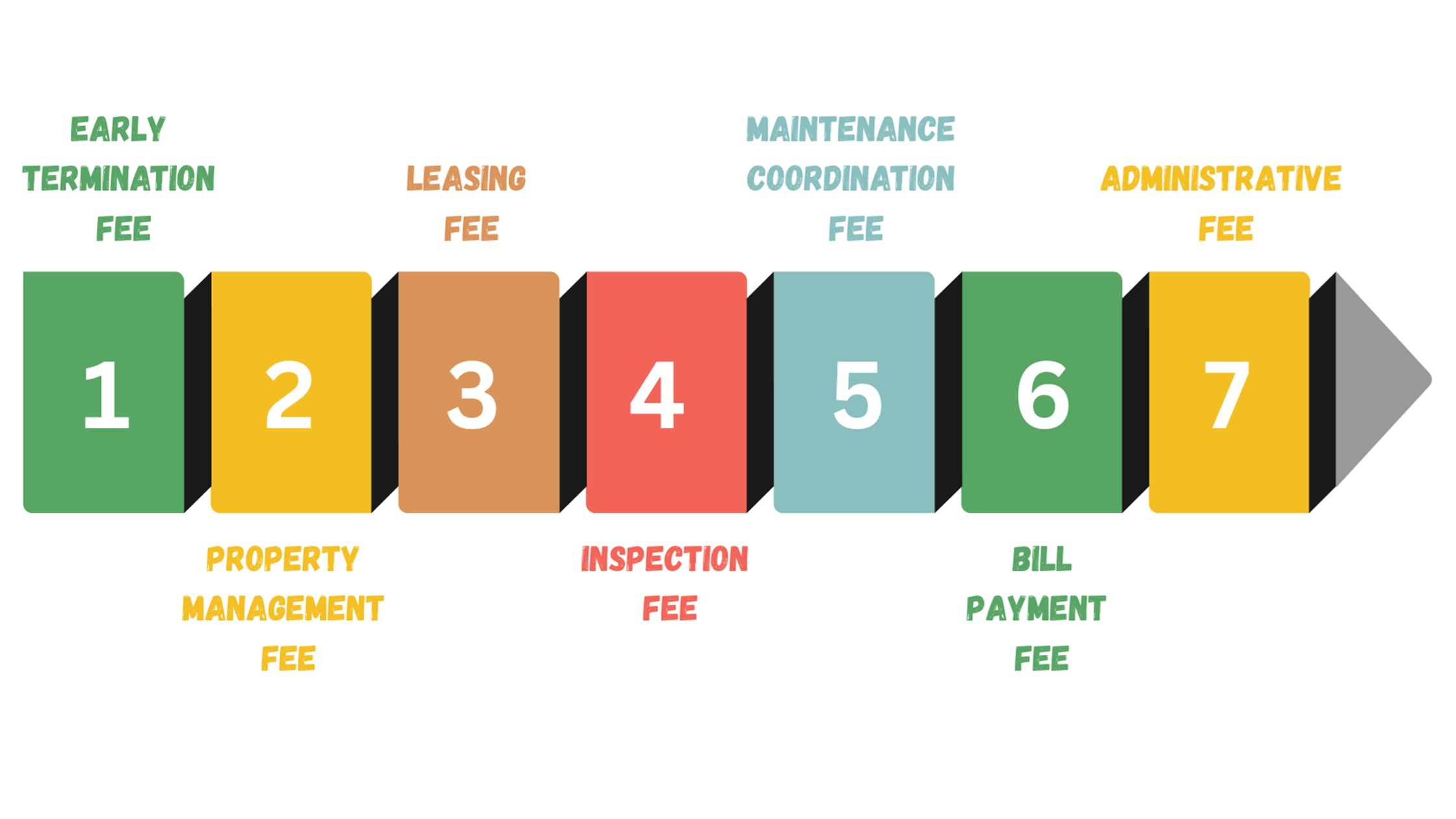
Common Property Management Fees You Should Know About
1. Early Termination Fee
If you want to cancel your property management contract, be prepared. Some companies charge significant termination fees or require lengthy commitments that make it difficult to move on if you're unhappy with the service. Personally, I've never been a fan of locking property owners into long-term agreements.
At Landmark Property Management, our contracts have an initial six-month term. If an owner cancels within those first six months, there is a $300 cancellation fee. After six months, there are no cancellation fees or penalties. We believe property owners should understand exactly what they're agreeing to upfront and have the flexibility to make changes without being tied to a lengthy contract.
2. Property Management Fee
This is typically the main fee you’ll see in any property management agreement. The important questions to ask are:
And maybe even more importantly: What services are not included?
Knowing both will help you avoid unexpected add-ons.
3. Leasing Fee
Leasing fees are common and typically cover finding and placing tenants. Beyond just asking how much they charge, you’ll also want to check if services like professional photos, tenant screening, and lease preparation are included in the leasing fee.
4. Inspection Fee
Inspection fees—and what they cover—can vary widely between companies. Not every landlord requires routine inspections, but two are absolutely necessary:
A move-in inspection to document the property’s condition before a new tenant moves in.
A move-out inspection to create a scope of work for the unit turn.
Make sure you understand what inspections are provided and how much they’ll cost.
5. Maintenance Coordination Fee
Some companies bundle maintenance coordination into their monthly management fee; others charge separately. If it's not included, find out:
Whether they charge a flat fee per work order
Or apply a percentage markup to the repair bill
This can add up quickly, so it's good to know in advance.
6. Bill Payment Fee
Managing a property often means handling a lot of bills—utilities, trash, vendor payments, insurance, and more. Some property management companies charge extra for processing these payments. Make sure you know whether bill payment is included in your management fee or charged per bill.
7. Administrative Fees
Administrative fees can cover a broad range of tasks, from filing reports to completing paperwork. Review these carefully:
Are the fees clearly defined?
Are they reasonable?
The goal is to avoid being nickel-and-dimed with miscellaneous charges every month.
Partner with a Chicago Property Management Company
At Landmark Property Management, we believe transparency is key to building strong, lasting relationships with property owners. Fees aren’t necessarily good or bad—but knowing exactly what to expect upfront helps you make the best decision for your rental property and investment goals.
If you’re looking for a property management company that’s upfront, easy to work with, and truly committed to protecting and growing your investment, we’re here to help.
Contact Landmark Property Management today to learn more about how we can help you maximize your rental property’s potential.
Visit us online at ChicagosPropertyManagement.com or give us a call—we’d love to connect!




.png)