
Chicago's 2-flats, 3-flats, and 4-flats are a distinctive part of the city's housing market. For rental property owners, they offer an appealing combination: multiple rental units within a single building. However, managing several units under one roof is very different from managing one rental home.
Each apartment has its own tenant relationship, lease, rent, maintenance needs, and renewal schedule, while the building itself has shared systems and spaces that also require attention. A plumbing problem may affect several units. One apartment may turn over while the others remain occupied. Entrances, basements, porches, yards, utilities, laundry areas, and mechanical systems may be shared among residents.
Successful Chicago property management for a small multifamily property requires owners to think about both sides of the equation. Each unit needs to be managed individually, while the building needs to be maintained and operated as a whole. For owners of Chicago 2-flats, 3-flats, and 4-flats, having systems for both is one of the most important parts of keeping the property running smoothly.
Managing Individual Units Within One Building

A 2–4 unit property may be one building, but it contains several separate tenancies. Each apartment can have a different rent amount, lease expiration date, payment history, maintenance record, and renewal decision. One tenant may renew while another moves out, and one unit may need repairs or updating while the others remain fully occupied.
For that reason, owners should maintain clear records for each individual unit. Leases, rent payments, deposits, maintenance histories, notices, tenant communications, inspections, and renewal information should be organized by tenancy rather than treating the entire building as one rental.
At the same time, owners need a separate plan for the building itself. The roof, masonry, common areas, plumbing lines, electrical systems, heating equipment, porches, exterior, and other shared components do not belong to one individual tenancy. These are building-level responsibilities that need their own maintenance schedule and budget.
This distinction becomes particularly important when planning for larger expenses. Every apartment in the building may be occupied and performing well, but the property can still need a roof repair, exterior work, plumbing improvements, or another significant building-level investment. Good small multifamily management means paying attention to the financial and physical condition of the individual units without losing sight of the larger property.
Maintenance and Shared Building Responsibilities
Maintenance is one of the areas where managing a Chicago 2-flat, 3-flat, or 4-flat differs most from managing a single-family rental. When a tenant reports a problem, the owner first needs to understand whether the issue is isolated to that apartment or connected to a shared building system.
A clogged kitchen sink may affect one unit, while a problem with a main plumbing line could affect several. Water appearing in the top-floor apartment may ultimately point to a roof or exterior issue. An electrical or heating problem may also extend beyond the tenant who initially reported it.
Building-wide problems often require more coordination because several households may be affected. If water needs to be shut off, a contractor needs access to multiple apartments, or a repair affects a common area, the owner may need to coordinate schedules and communicate with several tenants at once. Resolving the immediate complaint is only part of the job. The underlying cause also needs to be identified and properly addressed.
Shared areas require the same type of planning. Depending on the property, tenants may use common entrances, hallways, stairs, porches, basements, laundry facilities, yards, garages, walkways, and garbage or recycling areas. Owners need a clear plan for maintaining these spaces, along with seasonal responsibilities such as snow and ice management, landscaping, and exterior upkeep.
These areas contribute to the overall condition of the property and affect more than one tenancy. Keeping them well maintained should therefore be part of routine property operations rather than something addressed only after a complaint.
Utilities and Building Systems Need Special Attention
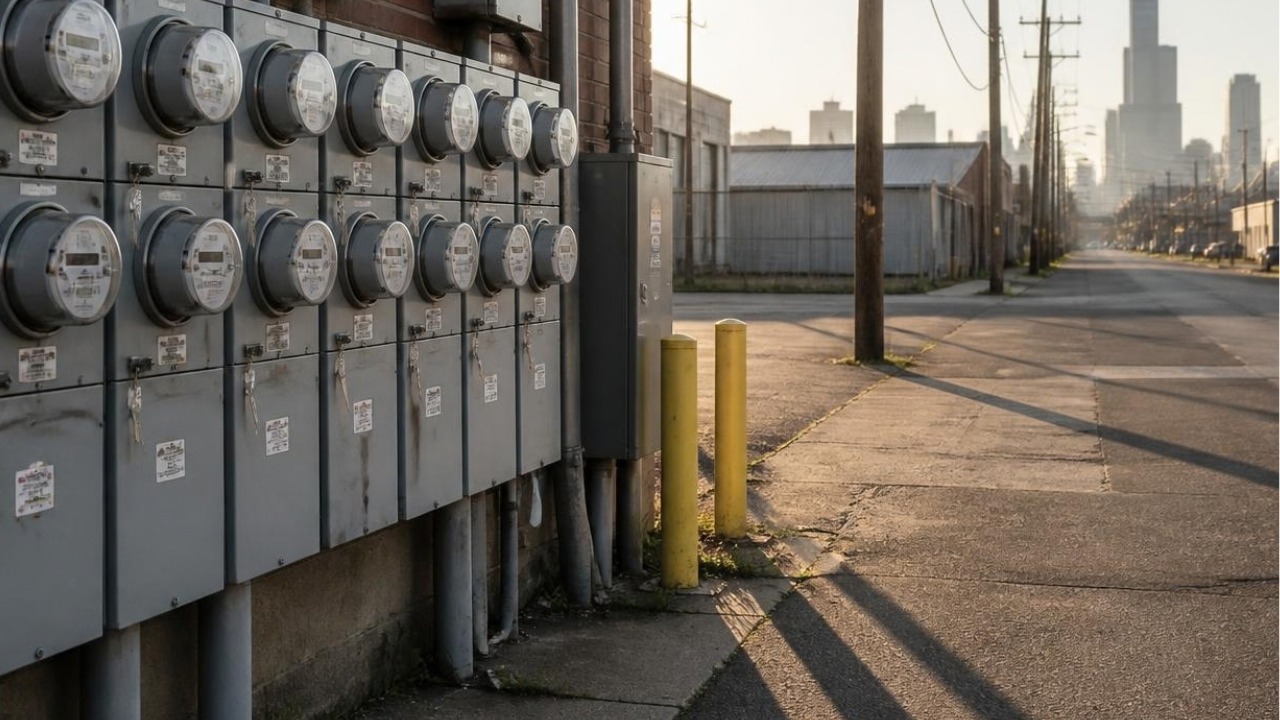
Utilities can become more complicated in a small multifamily building because the setup varies considerably from one property to another. Some services may be separately metered for each apartment, while others may serve the entire building or remain the owner's responsibility.
Owners should understand exactly how gas, electricity, water, heating equipment, and other building systems are configured before establishing tenant responsibilities. This is particularly important when purchasing an older building, inheriting a property, or taking over management from someone else. Assumptions about how utilities are divided can lead to billing disputes and confusion later.
Lease documents should clearly identify the utility responsibilities of both the owner and tenant. If a building has shared systems or unusual metering, those details should be understood before a new tenancy begins. The same principle applies to larger mechanical systems: owners should know which components serve individual apartments and which serve the property as a whole so that maintenance can be handled appropriately.
Coordinating Vacancies, Turnovers, and Renewals

One advantage of owning several units in the same building is that they do not all operate on the same schedule. A vacancy in one apartment does not necessarily mean the entire property stops producing rental income. At the same time, staggered leases create more dates, decisions, and transitions for the owner to manage.
Turnovers require particular care because work is often being completed while other tenants continue living in the building. A vacant apartment may need cleaning, painting, repairs, improvements, inspections, showings, and contractor access. All of that activity needs to be coordinated without unnecessarily disrupting the residents in the occupied units.
Each vacancy also creates an opportunity to evaluate that specific apartment, by evaluating current market rent. Units in the same building do not automatically have the same rental value. Floor, layout, size, condition, updates, parking, outdoor space, and other features can influence what an individual apartment may command in the current market. Owners should evaluate the unit against relevant rental competition rather than relying on one rent figure for the entire building.
Renewals require similar planning. A 4-flat can potentially mean four lease expiration dates and four separate renewal decisions. Keeping those dates organized allows an owner to evaluate rents, communicate with tenants, and prepare for potential turnovers without being caught off guard.
Multiple Units Require Better Management Systems

The complexity of a small multifamily property does not come simply from the number of apartments. It comes from the number of things that can happen independently within the same building.
One tenant may be preparing to move while another reports a repair and a third lease approaches renewal. At the same time, the building may need exterior maintenance or a larger capital improvement. None of these situations is unusual on its own, but managing several of them simultaneously can become difficult without an organized system.
Owners should have a reliable way to monitor rent payments, lease dates, maintenance histories, inspections, notices, tenant communications, renewals, vendor work, and property expenses. They should also have established procedures for common situations, including maintenance requests, emergencies, late payments, lease renewals, and turnovers.
This is often the difference between a property that feels manageable and one that begins consuming an unexpected amount of the owner's time. Good systems reduce the need to reinvent the process every time something happens.
Owner-Occupied and Fully Rented Buildings Require Different Approaches

Chicago has many small multifamily properties where the owner lives in one unit and rents the others. Other owners operate every apartment strictly as a rental. Both arrangements can work well, but they create different management dynamics.
An owner who lives in the building may notice maintenance issues sooner, have easier access for contractors, and stay closely connected to the condition of common areas. However, living alongside tenants can also blur the line between being a neighbor and being a landlord. Tenants may approach the owner informally about repairs, rent questions, parking, noise, or other issues simply because the owner is nearby.
Establishing consistent communication and maintenance procedures can help maintain appropriate boundaries. Tenants should know how to report problems and where rental-related communication should occur, even when their landlord lives upstairs or downstairs.
A fully rented building creates a different challenge because the owner does not have the same daily visibility into the property. Reliable tenant communication, routine oversight, maintenance processes, and trusted local vendors become more important when the owner is not regularly at the building. Owners who live outside Chicago need these systems even more because they cannot easily visit the property when a problem occurs.
Chicago Requirements Are Part of Managing the Property
Owning a 2-flat, 3-flat, or 4-flat does not eliminate the legal and operational responsibilities that come with being a Chicago landlord. Rental properties may be subject to state and local requirements affecting leases, tenant notices, building conditions, security deposits, heating, maintenance, and other parts of the landlord-tenant relationship.
The requirements that apply can depend on the property and the circumstances, so owners should be cautious about relying on generic landlord information found online or assuming that a process used somewhere else in Illinois applies the same way in Chicago.
Keeping leases, notices, records, and management practices current should be treated as part of operating the property rather than something considered only when a problem arises. Owners who need more detailed information about legal requirements can refer to Landmark's resources on Illinois landlord-tenant law and Chicago rental law changes.
When Professional Property Management Makes Sense
There is no particular number of units at which an owner automatically needs a property manager. Some landlords successfully self-manage a 4-flat for years, while others decide that managing two rental units requires more time and involvement than they want to give it.
The decision usually comes down to the owner's time, experience, systems, local resources, and desired level of involvement. Managing a small multifamily property can include several leases, multiple tenant relationships, rent collection, maintenance coordination, common areas, turnovers, renewals, recordkeeping, vendor management, and long-term building maintenance. Owners also need the flexibility to respond when several of those responsibilities overlap.
For owners with the time and systems to handle those responsibilities consistently, self-management can work well. For owners who live outside Chicago, have demanding careers, own several properties, or simply prefer not to handle the day-to-day operations themselves, professional property management can provide a more structured approach.
A property manager can oversee the individual tenancies while also coordinating the needs of the larger building. The owner remains responsible for major investment decisions, while much of the routine leasing, tenant communication, maintenance coordination, rent collection, renewal, inspection, and reporting work is handled on the owner's behalf.
Owners also do not necessarily need to wait for their current tenants to move out before making that change. An occupied 2-flat, 3-flat, or 4-flat can transition to professional management while the existing tenancies continue. Existing leases, tenant records, payment histories, security deposits, maintenance information, and property documentation simply need to be addressed as part of the transition.
Managing a Small Multifamily Property Successfully

A Chicago 2-flat, 3-flat, or 4-flat may be considered a small multifamily property, but successful management still requires owners to balance multiple tenancies with the needs of one shared building.
Each apartment has its own lease, tenant relationship, maintenance history, and financial performance. At the same time, the roof, exterior, mechanical systems, common spaces, utilities, and long-term condition of the property connect those units together.
The most effective approach is to have clear systems for both. Owners should know how tenant communication will be handled, how maintenance requests will be addressed, when leases expire, how records will be maintained, and who will respond when a problem affects more than one unit.
For owners who enjoy managing those responsibilities, a small multifamily building can be a very hands-on investment. For those who would rather focus on ownership and larger investment decisions, professional management can take over much of the day-to-day operation.
Need Help Managing a 2–4 Unit Property in Chicago?
Managing a small multifamily building means balancing the needs of individual tenants with the needs of the property as a whole. For owners who no longer want to handle every lease, maintenance request, renewal, turnover, and building issue themselves, professional management can provide a more structured approach.
Landmark Property Management manages residential rental properties throughout Chicago and the surrounding suburbs. Whether you own a 2-flat, 3-flat, 4-flat, or a growing portfolio of rental properties, our team can handle the day-to-day management while you remain focused on the larger investment.
Learn more about Landmark's Chicago property management services or call 312-313-8553 to talk with our team about your property.
Frequently Asked Questions About Managing Chicago 2–4 Unit Properties
Is a Chicago 2-flat considered a multifamily property?
A 2-flat contains two separate residential units within one building and is commonly considered a small multifamily property. Chicago's housing stock also includes many 3-flats and 4-flats that have similar management considerations because several tenancies operate within one property.
Is managing a 2-flat harder than managing a single-family rental?
Managing a 2-flat generally involves more moving parts because the owner is responsible for multiple tenancies along with shared building systems and common areas. The workload depends on the property, tenants, condition of the building, and systems the owner has in place.
Can each unit in a Chicago 2-flat or 3-flat have a different rent?
Yes. Units within the same building may have different rental values based on size, floor, condition, layout, updates, parking, amenities, outdoor space, and other characteristics. Each unit should be evaluated against relevant current rental competition rather than assuming every apartment should rent for the same amount.
Who handles common areas in a Chicago multifamily rental?
Responsibility depends on the property, lease, and applicable requirements. Owners should clearly establish how shared spaces such as hallways, entrances, yards, basements, laundry areas, stairs, and exterior areas will be maintained.
Can I hire a property manager for a 2-flat, 3-flat, or 4-flat?
Yes. Professional property management is not limited to large apartment buildings. Owners of small multifamily properties may hire a property manager to handle leasing, tenant communication, rent collection, maintenance coordination, renewals, inspections, financial reporting, and other day-to-day responsibilities.
Can a property manager take over if my units are already occupied?
Yes. An occupied small multifamily property can transition to professional management while the existing tenancies continue. Existing leases, tenant records, payment histories, security deposits, maintenance information, and other property documentation need to be reviewed and addressed during onboarding.




.png)