If you own a rental property in Chicago, IL, you’ve probably heard a few different job titles thrown around: leasing agent, Realtor, Chicago property manager, property management company, even commercial property management if you own mixed use or small office space.
On the surface, they all seem to “help with renting places.” In reality, they play very different roles for property owners, tenants, and the city.
At the same time, renters are online asking things like:
“Should I get a leasing agent to help me find an apartment in Chicago?”
Owners are asking a parallel question:
“Do I just need a leasing agent, or do I need a full Chicago property manager? Do I need both?”
This guide breaks down, in Chicago-specific terms:
What leasing agents actually do
What property managers actually do
How they are licensed and paid in Illinois
Where their responsibilities overlap
Whether having both will actually help you or just add confusion and cost
Let's jump in!
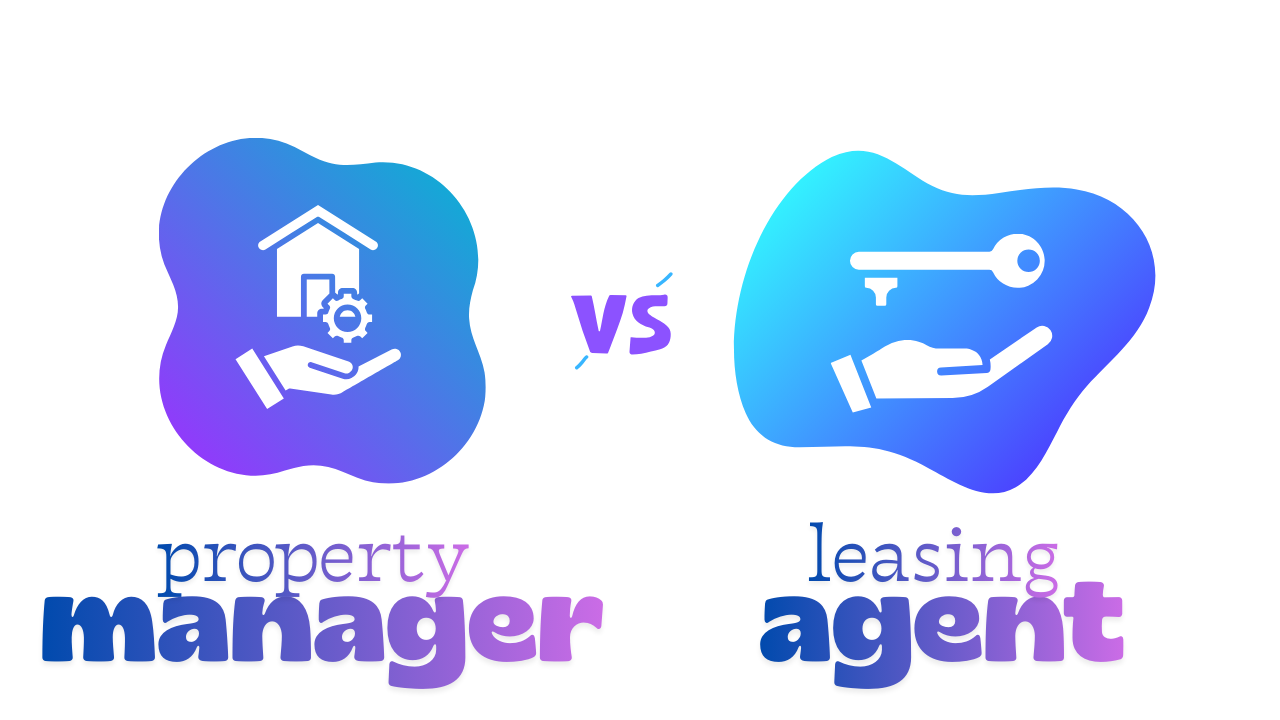
1. Quick definitions: leasing agent vs property manager in Chicago
Before we zoom into the details, let’s define each role.
Leasing agent
A Chicago leasing agent is a licensed real estate professional who focuses on finding tenants and filling vacancies. They handle the leasing process, not the ongoing management of your rental property.
Their work is mostly about:
Marketing the unit
Showing it to prospective residents
Screening applications
Preparing the lease
Coordinating move in
Once the lease is signed and the tenant has the keys, most leasing agents are done. They do not manage the property long term.
Chicago property manager
A Chicago property manager (usually working for a property management company) is a general agent for the owner. That means they handle day to day operations for the property on an ongoing basis.
Their work is about:
Managing tenants
Collecting rent and deposits
Handling repairs and maintenance
Coordinating vendors
Dealing with city requirements
Reducing tenant turnover
Doing market analysis and helping with pricing, renewals, and long term portfolio strategy
If the leasing agent is about “getting the job,” the property manager is about “doing the job” every single day.
2. How leasing agents work in Chicago and who they really serve
Illinois has its own rules around agency and licensing, and that shapes what leasing agents can and cannot do.
Licensing in Illinois
In Illinois:
A leasing agent holds a specific leasing agent license.
They must work under a sponsoring broker or managing broker.
They are considered a special agent, usually authorized to perform one specific set of tasks: marketing and leasing units, under the authority of the brokerage or owner.
Practically, this means a leasing agent is allowed to:
Show units
Present applications
Prepare and present leases (under broker supervision)
Carry out specific tasks that the brokerage and owner authorize in the listing or property management agreement
They are not the person making broad business decisions for an investment property.
Who pays leasing agents in Chicago?
For renters, this is one of the biggest sources of confusion.
In Chicago, the property owner or management company typically pays the leasing commission, not the renter. From the renter’s point of view, the agent feels “free.” From the owner’s point of view, that commission is part of the cost of filling a vacancy.
Depending on the building and brokerage, that fee might be:
A flat “one month’s rent” style commission
A percentage of the first year’s lease value
Rolled into a nonrefundable “admin” fee or other charge at move in
Either way, the property is paying for the service and hoping to make that money back with a good resident and a smooth leasing process.
What leasing agents actually do in the Chicago market
Here is what a typical Chicago leasing agent focuses on:
Writing the listing and posting it on the MLS and major sites
Advising on rent based on current market conditions
Advertising the property, often with photos and video
Scheduling and conducting showings, including virtual tours for people moving from out of state
Gathering applications, screening, and presenting options to the owner or management
Preparing the lease for signature
Coordinating move in dates, keys, and sometimes initial deposits and move in fees
Many leasing agents work across a variety of neighborhoods and buildings. Some represent specific large buildings downtown, others work with a portfolio of smaller walk ups in the neighborhoods.
The limits of leasing agents for owners
A leasing agent is not there to:
Take maintenance calls
Manage residents or handle complaints
Deal with city inspections or Chicago RLTO issues
Collect rent every month
Handle evictions or payment plans
Do long term planning for your investment property
They are focused on one stage of the process: getting someone to sign a lease.
3. How Chicago property managers work and why it feels completely different
A Chicago property management company behaves more like an ongoing business partner than a one time service provider. Where a leasing agent is a special agent, a property manager is a general agent for the owner.
That difference matters.
Scope of work for a Chicago property manager
A good Chicago property management team will handle:
Leasing and marketing for vacant units
Tenant screening with consistent criteria and legal compliance
Lease preparation that matches Chicago, Cook County, and state law
Rent collection and late fee processes
Communication with residents about repairs, building rules, compliance, and renewals
Maintenance and repairs, including emergency calls, vendor coordination, and preventative maintenance
City requirements, including smoke detector rules, inspections, and compliance letters
Financial reporting so you see income, expenses, and net profit clearly
Market analysis and rent recommendations each year
Portfolio growth conversations as you add units or expand into new neighborhoods or suburbs
Where a leasing agent focuses on the front end, PMs manage the entire process and the relationship with residents and the property itself.
Chicago specific challenges PMs handle that leasing agents don’t
Chicago is not an easy city for landlords who want to DIY. A Chicago property manager is expected to understand and navigate:
The Chicago Residential Landlord and Tenant Ordinance (RLTO)
Cook County’s Just Housing Amendment and fair housing rules
Security deposit and nonrefundable fee practices
Changing neighborhood dynamics that affect rent and tenant expectations
Maintenance challenges in older buildings, including boilers, radiators, and flat roofs
Snow removal, city ticketing, and seasonal issues
The difference between managing a vintage three flat in Pilsen and a newer building in the West Loop
Those details are not on a leasing agent’s job description.
Looking for a top real estate rental group with market expertise?
Contact us today for a FREE Rental Analysis!
4. Side by side: what’s the same and what’s different?
Here is how the two roles stack up for landlords and property owners.
What they both can be involved in
Both a leasing agent and a property manager may:
Advise you on pricing
Show the unit
Help evaluate applications
Help prepare a lease
Represent the owner’s interests when talking to renters
That overlap is why people confuse them.
Where they are different
Chicago leasing agent:
One time service
Focused on filling a vacancy
Limited involvement with the building after move in
Paid commission for a completed lease
Limited responsibility for ongoing performance, communicating, or tenant turnover
Chicago real estate investment manager:
Ongoing service
Focused on income, stability, and property health
Handles the day to day life of the building
Paid management fee plus leasing fee
Responsible for performance, compliance, communicating, and long term value
You could say:
The leasing agent finds the resident.
The property manager keeps the property and the residents working well together.

5. Do you need both a leasing agent and a property manager?
This is the big question. Let's take a look at a few scenarios...
Scenario 1: You self manage and just need help filling a vacancy
If you are comfortable:
Taking maintenance calls
Talking to residents about late rent
Handling Chicago RLTO rules and notices
Coordinating vendors
Tracking income and expenses
Then hiring a leasing agent to do the front end work and placing the tenant might be enough.
You are essentially saying: “I want help with the search, screening, and lease, then I’ll manage the rest.”
This can work for owners with one or two units, who live close by and treat it like a side business they are willing to actively manage.
Scenario 2: You hire a Chicago property management company
Most full service Chicago property management companies already provide:
Leasing services
Tenant placement
Ongoing property management
In that case, you do not need a separate leasing agent, because your property manager’s team includes licensed leasing agents and brokers who handle their part of the process inside the management company.
You are saying: “I want one team to handle the full process from marketing to renewals and everything in between.”
This works best for:
Out of state investors
Owners with more than one rental property
People who want passive income instead of another job
Owners planning for long term growth and portfolio building
Scenario 3: You hire both separately
For a small residential portfolio in Chicago, hiring:
A third party leasing agent
Plus a separate property management company
is usually redundant. You are paying two different teams for pieces of the same process and creating more communication points.
You might see this structure more often with:
Larger commercial properties
Institutional owners
Certain commercial property management or mixed use portfolios
For most individual landlords and small to mid sized investors, one strong property management company with in house leasing makes more sense than trying to assemble an entire separate team.
6. From the renter side: is a leasing agent worth it in Chicago?
Even though your main goal is to reach more landlords and owners, it helps to understand how renters experience leasing agents in this city, because it affects the perception of your property.
From local conversations and threads:
Leasing agents can be incredibly helpful for out of town renters who need virtual tours and guidance.
They are often “free” to renters, since owners pay the commission.
They can simplify the search if you are overwhelmed or short on time.
On the other hand:
Leasing agents can only show renters apartments that are in their network or listed through other agents.
They are paid when they place someone, not when they recommend the perfect building with the best management.
Some renters feel pushed toward certain buildings because those properties pay higher commissions or have more units to fill.
From an owner’s perspective, this means:
You want the right Chicago rental manager and building reputation so leasing agents and renters actually like sending people to your property.
Strong property management and resident experience matter just as much as the listing photos.

Key questions to help you decide what you really need in 2026
If you are trying to decide between “leasing agent only” and “full Chicago rental unit manager,” ask yourself:
How many units do I own now, and how many do I plan to own in the next 3 to 5 years?
Do I have the time and knowledge to handle maintenance, communication, and legal details myself?
Is my bigger goal to save every possible dollar today, or to protect my investment property and scale long term?
How much stress am I willing to carry when something goes wrong at 9 p.m. on a Sunday?
Do I want a one time service, or an ongoing management partner and support team?
For many Chicago owners, the honest answers point toward professional property management rather than leasing only.
The real bottom line: will having both get you “more jobs”?
Borrowing language from the entertainment world, you can think of it like this:
A leasing agent is the “agent” who helps book the gig.
A property manager is the “manager” who helps shape the business, keep it running, and plan what comes next.
Having both entirely separate does not automatically get you more tenants or more income.
What gets you better results is:
Accurate pricing based on real market analysis
Strong marketing for your rental property
Good screening and fair selection criteria
Clear communication and reliable services
Efficient operations and maintenance
Respect for residents and the property itself
All of that lives in good property management, supported by professional leasing.

How Landmark Property Management fits into this picture
Landmark is a Chicago property management company built for owners who want both:
Strong, professional leasing
And serious, day to day management of their Chicago properties
Our team includes licensed agents who handle leasing and a dedicated management staff who handle ongoing operations, rent collection, resident communication, maintenance, and strategy.
If you own a rental property in Chicago or the suburbs and you are wondering whether you need a leasing agent, a property manager, or both, we can walk through your specific situation and help you decide what actually fits your goals.
Interested in making your Chicago rental feel less like a job and more like a true investment? Let’s talk about how a dedicated property manager can support you in 2026.
Let our experts help, reach out to Landmark today!




.png)